
Start with this: every North Texas house moves
The clay under this whole region swells when it rains and shrinks when it dries. Your house rides that movement every year. Hairline cracks that open in August and close in April are the soil breathing, not a structural failure.
What matters is whether the movement is seasonal or one direction. That is a measurement question, and it is why we survey the floor before saying anything.
Signs worth taking seriously
These are the ones that consistently line up with real settlement when we put a level on the floor.
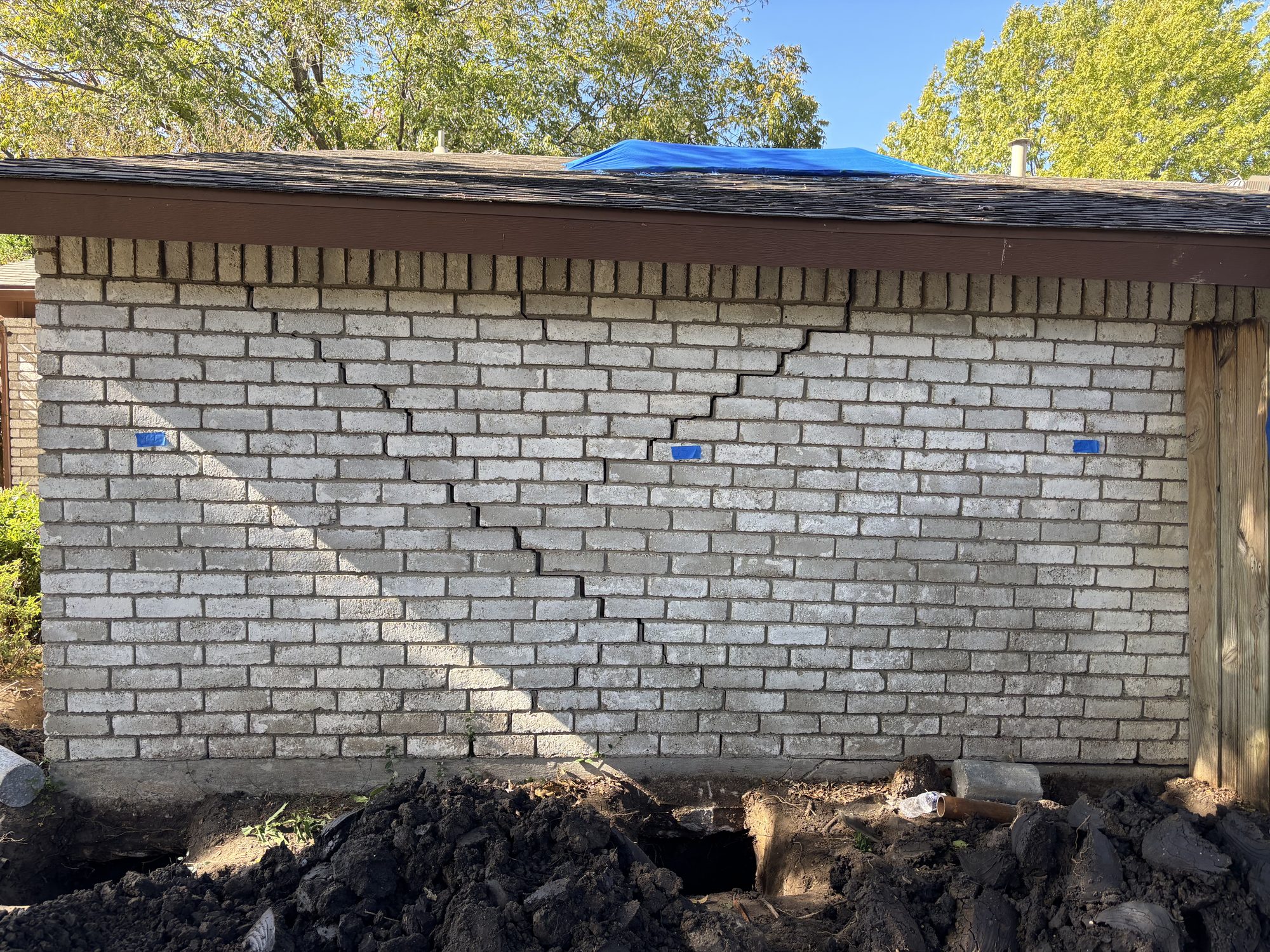
- Stair-step cracks through brick or mortar, especially wider at the top than the bottom.
- Doors that used to latch and now do not, or that swing open on their own.
- Gaps opening between the brick and a window frame or garage door.
- Floors that feel like they slope, or a ball that rolls the same direction every time.
- Cracks in the slab or tile that keep getting longer month over month.
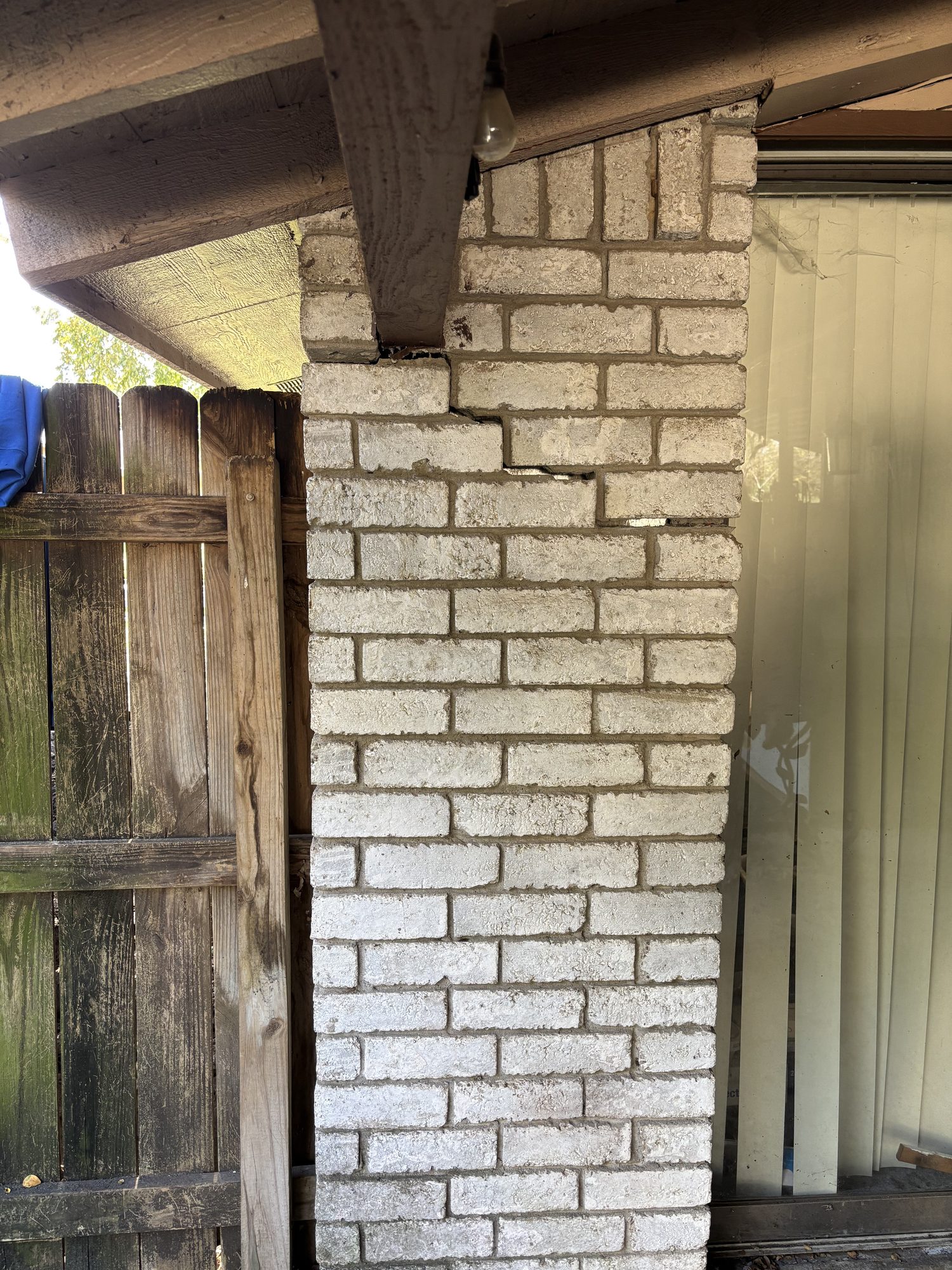
- Separation between the exterior brick and the soffit or the porch.
Signs that usually are not what you think
Not everything that looks scary is structural. We tell people to relax about most of these unless they are changing fast.
- Hairline drywall cracks above a doorway that show up every summer and settle down after a wet spring.
- Small nail pops in the ceiling.
- A single crack in a driveway or sidewalk. Flatwork moves on its own and is a separate problem from the house.
- Caulk separating at an exterior joint.
Water is usually the story behind the story
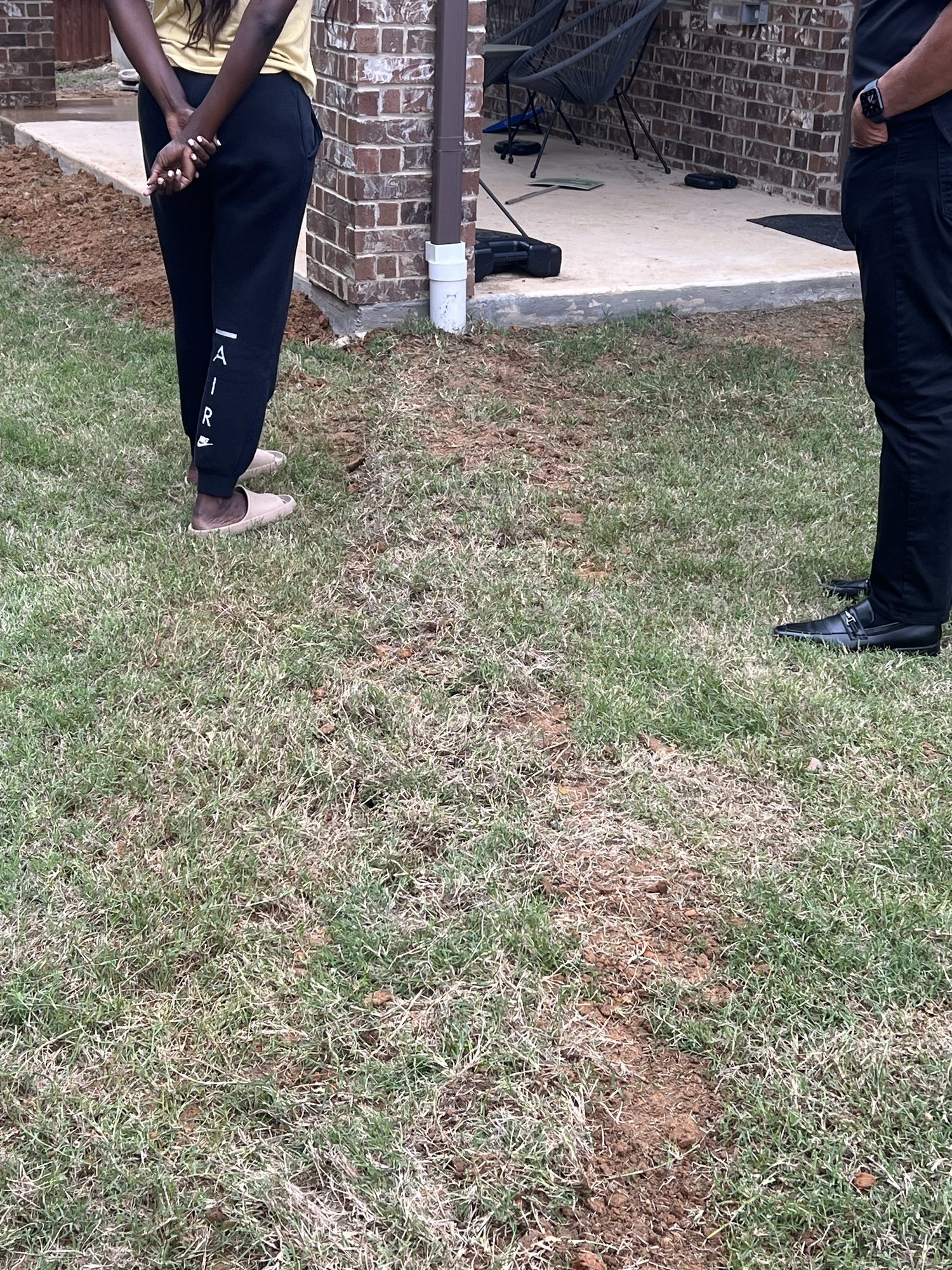
When we walk the outside of a house with a real crack pattern, the cause is often standing in plain sight. A downspout dumping at the corner. A flower bed built up against the brick holding moisture. A low side yard that stays soaked for days.
One elevation staying wet while the other bakes is the single most common driver of movement we measure in Tarrant County. Fix that and a lot of houses stop moving.
When to get it measured
If you are seeing two or more of the serious signs, or one of them is clearly getting worse, get elevation readings. It costs you nothing with us and it turns a guess into a number.
Bring photos of the cracks with dates if you have them. A crack you photographed last spring next to the same crack today is genuinely useful information.
Common questions
People Ask Us This
- How wide does a crack have to be to worry?
- Width alone is not the test. A quarter inch stair-step crack that keeps growing matters more than a half inch crack that has not changed in ten years. Movement over time is the signal.
- Should I wait a season and see?
- If the signs are mild, watching for a season is reasonable, and we will tell you that. Get the readings anyway so you have a baseline to compare against.
- Can I check the floor myself?
- A marble test tells you something is off but not how much or where. Our survey gives you actual elevation numbers across the whole floor.
Written by
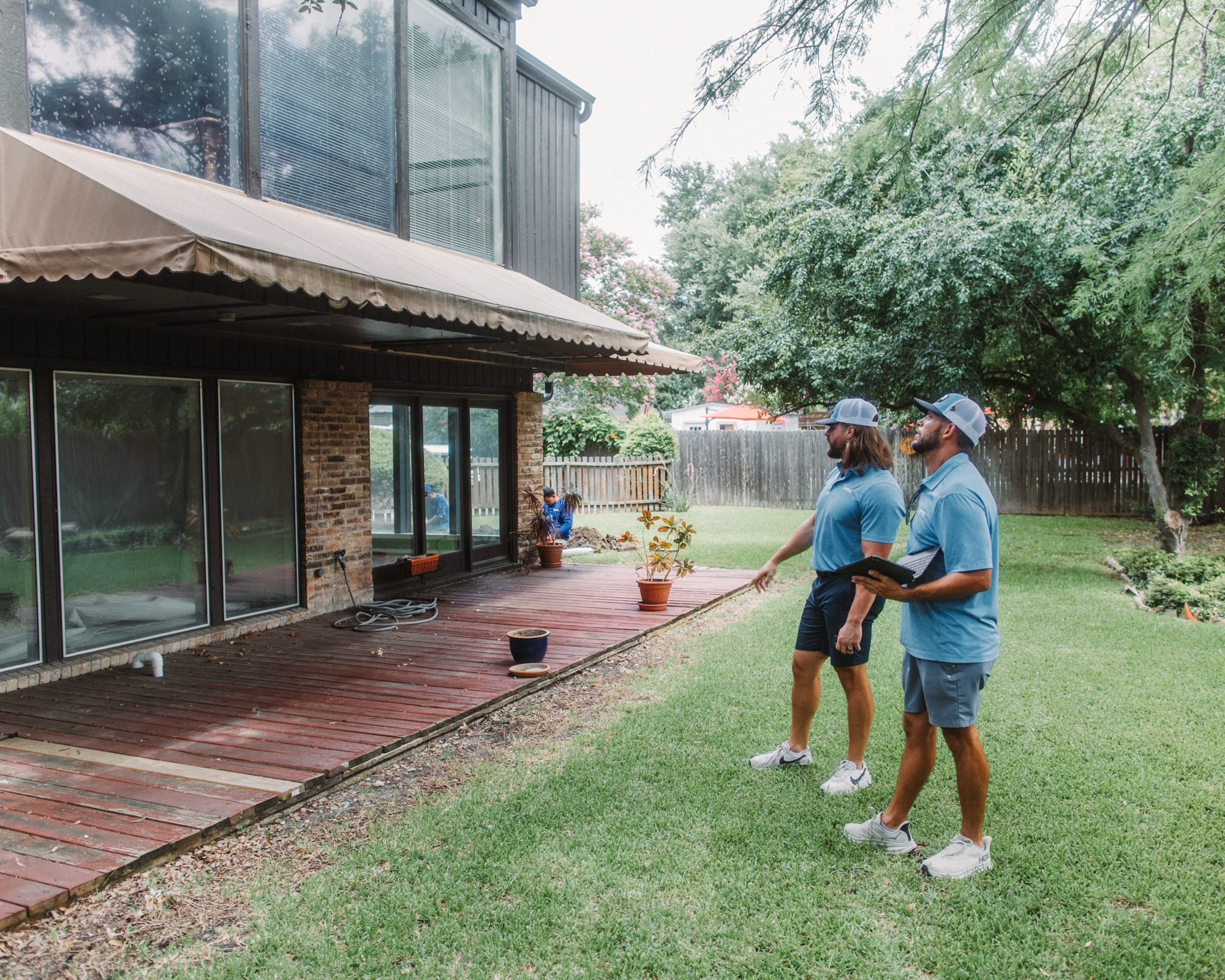
Taylor Yates
Co-owner of Imperial Foundation Repair in Arlington. Spends most of his week on job sites and in front of homeowners.
More from Taylor